Wednesday, November 15, 2023

Unveiling The Impact Of Tragedy In Psychiatry: A Critical Exploration


In the world of mental health, understanding the intricacies and challenges is paramount. Today, we delve into a nuanced discussion surrounding the impact of a unique resource: the Tragedy in Psychiatry DVD. This exploration not only sheds light on the importance of mental health education but also emphasizes the significance of accessible and insightful resources.

The Role Of Tragedy In Psychiatry DVD

·        Unveiling The Layers

The Tragedy in Psychiatry DVD stands as a comprehensive resource, offering an in-depth exploration of the complexities within the field. It provides a nuanced view of tragedies that have shaped the landscape of psychiatry, presenting real-life cases that demand reflection and understanding.

·        Learning From Real Experiences

Step into the Tragedy In Psychiatry DVD, and you'll discover more than a documentary—it's a vibrant portal into the lives of individuals navigating mental health challenges. By weaving together authentic experiences, this isn't just a film; it's a powerful catalyst for empathy and understanding, creating a bridge that unites both professionals and the wider public.

Mental Health Education: A Vital Component

·        Building Awareness

In the quest for comprehensive mental health education, resources like the Tragedy In Psychiatry DVD play a pivotal role. They contribute to building awareness about the challenges individuals face and the complexities inherent in the field of psychiatry.

·        Addressing Stigma

Mental health education is a powerful tool in dismantling the stigma associated with psychiatric disorders. By presenting authentic narratives, it challenges preconceived notions and encourages a more compassionate and informed perspective.

Navigating The Journey To Mental Health Education

·        Emphasizing A Holistic Approach

The path to mental health education is intricate, encompassing more than a clinical understanding of psychiatric disorders. It beckons us to embrace the human facets of these conditions. The Tragedy In Psychiatry DVD serves as a panoramic lens, urging viewers to explore the broader context, and providing a holistic perspective on mental health challenges.

·        Encouraging Dialogue

Open communication is a cornerstone of effective mental health education. Utilizing resources like the Tragedy In Psychiatry DVD sparks conversations that are crucial in breaking down barriers and fostering a supportive environment.

Mental Health Education At Your Fingertips:

As we navigate the landscape of mental health education, it's essential to have accessible and reliable resources. The platform Mental Health TV stands as a beacon, offering a diverse range of educational materials, including the Tragedy In Psychiatry DVD.

·        Bridging Gaps

Mental Health Education isn't a luxury; it's a necessity. Platforms like Mental Health TV bridge the gap between information and individuals seeking a deeper understanding of mental health. The inclusion of the Tragedy In Psychiatry DVD enriches this educational journey.

Conclusion: A Call for Informed Compassion

In conclusion, the impact of the Tragedy in Psychiatry DVD extends beyond the screen, contributing to a more informed and compassionate society. As we champion mental health education, let us utilize resources that resonate with authenticity and foster a collective understanding of the human experience. Through dialogue, awareness, and accessible platforms like Mental Health TV, we pave the way for a more empathetic and informed approach to mental health.

Thursday, September 21, 2023

What Do You Need To Know About Stress And Depression In The Workplace?

 Do you go to work half-heartedly because stress and depression in the workplace dampen your spirits? Do you also desperately wait for the weekends because you don’t like going to work due to incessant gloomy feelings? If you feel miserable when working, you’re not the only one who is stuck in this vortex.

Bureau of Labor Statistics states that full-time employees spend an average of 8.5 hours per day working on weekdays and 5.5 hours working on weekends and holidays. This data makes it crystal clear why many individuals experience symptoms of depression while they are at their workplace.

What is Stress and Depression in The Workplace?


Even though a job may not be the sole reason behind depression but the environment may deteriorate symptoms for people who already suffering from depression. It wouldn’t be wrong to say that any workplace or job can be a possible reason or a contributing factor for depression. It generally depends on the level of stress and support available at the workplace.

According to the World Health Organization aka (WHO), a negative working environment can give rise to issues that are mentioned below:

·        mental and physical health disorders

·        nonattendance

·        lost productivity

·        increased risk of substance use

What are the common symptoms of work depression?

The signs of depression at work are almost similar to general depressive symptoms. There is no denying the fact that depression will impact your level of functioning at your job and home. Some of the more common signs of work depression are cited below:

·        elevated anxiety levels, particularly when trying to handle traumatic situations or thinking about work even when you’re not present at the office

·        boredom and loss of satisfaction about your job

·        low energy and lack of motivation to accomplish tasks

·        constant or lengthy feelings of blues or low mood.

·        loss of interest in tasks at work, especially duties that you previously found interesting and fulfilling

·        constant feelings of bleakness, weakness, triviality, or overpowering guilt

·        unable to focus or pay heed to work tasks and struggle with problems when it comes to retaining or remembering things, particularly new information

·        committing excessive mistakes in daily work tasks

·        an increase or decrease in weight or appetite

·        physical health issues such as headaches, exhaustion, and upset stomach

·        elevate absenteeism or arriving late at the workplace and leaving early

·        increased inability to make decisions

·        substance abuse

·        suddenly crying at work

·        lack of confidence while doing any task

·        feeling of self-harm and suicide

·        dragging yourself to work every day

Get Professional Assistance:


Stress and Depression In The Workplace generally make employees seek help. Still, many employees with depression get hesitant when it comes to seeking professional aid because they’re scared that it will affect their work or their privacy is at risk.

Feel free to ask your employer if they can provide any mental health resources to help you. It’s necessary to seek out help as soon as possible before it goes beyond any repair.

Thursday, August 24, 2023

Get Set To Transform Your Life By Availing The Best Depression Treatment In UK!

 Modern life might appear to be super cool and intoxicating. Still, if you go deeper to understand the people's real emotions, then surprisingly, you will come across a completely different picture. Depression is one such meal health problem embraced by many individuals today irrespective of age, life situation, and mindset. Ignoring the symptoms of depression can worsen the situation and take a significant toll on your mental peace. Hence, if you are sure that you are battling depression or know someone going through this challenging phase, you must identify and provide precise details on the best depression treatment in the UK. If you are looking for a trustworthy and efficient information provider on the most beneficial depression treatment in the UK, look no further than Mental Health TV. The experienced course provider has acquired a robust market reputation in the field of  developing and offering highly educative, and award-winning curricula to support people to manage depression in the simplest yet most efficient manner.


Want to know why Mental Health TV is UK's trusted destination to receive the best depression treatment?


· Mental Health TV is an award-winning provider of depression treatment in the UK that has carefully designed programmes that have won awards, especially for helping students who are keen to know more about mental health, working professionals, and, in fact, everyone who wants to gain a better understanding about this mental problem.  


· The courses directed towards depression treatment in the UK have won great recognition and awards for being a complete information source that offers detailed information on mental issues.


· Easy accessibility of the course videos on depression treatment in the UK is another reason for its unmatched popularity. All users can easily watch live videos through the Vimeo channel and Kanopy. Furthermore, the depression treatment in the UK offered by Mental Health TV aims to provide authentic continuing professional development certificates (CPD or PDP) to its members, who can take a topic-based quiz and get nearly 80% off on their chosen area of study.


· Our depression treatment in the UK is delivered as a show that includes talks with the general public and expert psychiatrists who have personal experience of being depressed. Having open and deep conversations with the real depression warriors sometimes makes shocking revelations that can actually help those still lost in this disturbing phase. Moreover, the experience clarifies the kind of hospital someone used, the medicines they consumed, and the type of counselling received. Hence, it won't be exaggerating to list that the courses on depression treatment in the UK offered by Mental Health TV are just ideal for medical students, doctors and professionals who are beginning their journey in this field of study.


Summary:

If you have any specific doubts or questions regarding our approach to offering depression treatment in the UK, feel free to contact us. Our understanding and experience in the domain will make you feel safe while providing plentiful information on this field of study. Allow yourself to be in the company of the experts who have already crossed the paths of depression and witness your life-changing for all the good reasons.

Sunday, May 21, 2023

The Importance Of Mental Health Education

 Mental health has become a pressing concern in today's fast-paced and demanding world. The impact of mental health on individuals, families, and communities cannot be overstated. To address this growing issue effectively, it is crucial to prioritize mental health education.

By equipping individuals with the knowledge and understanding of mental health, we can foster a healthier and more compassionate society. In this blog, we will explore the reasons why mental health education is essential and the benefits it brings.


Benefits of Mental Health Education

1. Promotes Self-Awareness

It empowers individuals to recognize their own mental health needs. People can better understand their emotional well-being by providing information on common mental health conditions, symptoms, and risk factors. Self-awareness allows for early recognition of mental health challenges and promotes timely intervention and seeking appropriate support.

2. Reduces Stigma

One of the most significant barriers to seeking help for mental health issues is the stigma associated with them. Mental wellness education is pivotal in challenging stereotypes, myths, and misconceptions. Educating individuals about mental health conditions, their causes, and available treatments can reduce stigma and discrimination, encouraging a more inclusive and supportive environment for those in need.

3. Enhances Support Systems

Mental health education extends beyond individual well-being to create a supportive family, friends, and colleagues network. When people are aware of mental health issues and their impact, they are better equipped to provide understanding, empathy, and appropriate support. Education helps foster an environment where open discussions about mental health are encouraged, leading to stronger support systems for individuals facing challenges.

4. Prevents Mental Health Problems


Prevention is key when it comes to mental health. Mental wellness education equips individuals with strategies to maintain their mental well-being and prevent the onset of mental health problems. Knowledge of healthy coping mechanisms, stress management techniques, and self-care practices empowers individuals to protect their mental health and build resilience.

You can also watch Tragedy In Psychiatry DVD from MHTV to learn more about the different things that go wrong in an individual's mind.


5. Improves Academic and Professional Performance

Mental health has a significant impact on academic and professional success. We can promote well-being and productivity by integrating mental health education into educational institutions and workplaces. Educating students and employees about stress management, work-life balance, and the importance of seeking help when needed can positively influence their academic and professional performance.

6. Creates Safer Communities

Mental wellness education is not limited to individuals alone but extends to the broader community. When society is educated about mental health, we create safer communities that prioritize mental well-being. Recognizing the signs of mental distress in others and knowing how to offer support can prevent crises, improve interpersonal relationships, and contribute to a more harmonious society.

MHTV presents Tragedy In Psychiatry DVD, a harrowing case study you should watch for mental health problems.

Conclusion

Mental health education is essential to building a healthier and more compassionate society. We must prioritize mental health education in schools, workplaces, and community settings to foster understanding, empathy, and support for those facing mental health challenges. Together, we can break the barriers surrounding mental health and create a brighter future for everyone.

Mental Health TV is home to award winning educational programs on Mental Health, Primarily designed for students new to the field.

Tuesday, May 10, 2022

Eating Disorder Recovery In The UK – Common Misconceptions

 What is an eating disorder?

According to the NHS website, “an eating disorder is a mental health condition where you use the control of food to cope with feelings and other situations.” Although most may associate the words ‘eating disorder’ with somebody who is underweight and avoids food, the term includes other unhealthy eating behaviours, such as binge-eating, eating things that are not food, and purging. The road to eating disorder recovery in the UK does vary depending on the symptoms that somebody has.

How do we educate people on this subject?

At Mental Health TV, we create educational video content on mental health. Although many might think that eating disorders are just about not eating enough and that recovery just requires you to get to a healthier weight, this is not the case. We have several programmes on eating disorders to educate patients, families, medical professionals and the general public on the nuances of eating disorders. It isn’t always just about the food.  Making educational content on eating disorders is helping to reduce stigma and misconceptions about eating disorders, and eating disorder recovery in the UK.

What are common misconceptions about eating disorders? #

  • Common misconceptions are:
  • Eating disorders are a choice
  • Everyone who has an eating disorder is skinny
  • Only women have eating disorders
  • Eating disorders are all about wanting to be skinny
  • Eating disorder recovery in the UK is just eating more

What is the truth about eating disorders?

Eating disorders are not a choice. There are many different factors that can contribute to developing an eating disorder. This includes life transitions (they may cause stress and anxiety, making somebody more susceptible to an eating disorder), psychological health in general, excessive dieting, body dysmorphia, family history, abuse, and extracurricular activities (e.g. ballet, swimming etc).

Men and women both can suffer from eating disorders, though the number of women that seek treatment is higher than the number of men who seek treatment. Men are more likely to have muscle dysmorphia (an obsession with becoming more muscular). This can lead to unhealthy behaviours e.g. taking steroids. Women are more likely to want to become thinner.

Eating disorder recovery in the UK starts with a visit to the GP. The GP will refer the patient to the local eating disorder recovery service. The treatment provided depends on the eating disorder.

What does eating disorder recovery involve?  

Eating disorder recovery in UK varies depending on the eating disorder. For those suffering with anorexia, there are talking therapies provided and often accompanied by advice from a dietician to help with nutrition. Focal psychodynamic therapy can also be offered to help find out what the unhealthy eating habits are related to. Some treatments don’t require staying away from home. However, if somebody has health complications that are serious, they may be admitted to hospital and only allowed to return home once weight has been restored and they’re deemed mentally well enough.

Treatment for bulimia usually requires guided help and talking therapy. During this treatment plan patients monitor what they are eating to try and change patterns in their behaviour, make meal plans, learn about their triggers and explore the underlying causes of their disorder.

Teaching About Alcoholism – Why it’s Important

 At Mental Health TV, we create educational content on mental health. Some might not realise that addiction ties into mental health heavily, and often those who are struggling with substance abuse benefit from therapy as well as help with withdrawal. With addiction there is a stigma, and it is our aim to help reduce this stigma.

What is alcoholism?

You may have heard people speak very badly of alcoholics. At points it can be dehumanising. However, someone suffering with alcoholism is still a human being and you have to take into account how they got to where they are. What happened to them? What is going on in their mind and body? An alcoholic is unable to control their drinking and would struggle to stop consuming it themselves.

What causes Alcoholism?

Alcoholism can be caused by a number of things. Family, home life, workplace, religion and culture can all play a part in it. Family is thought to be one of the main causes – if a child has a parent who struggles with alcoholism, it’s more likely that they will develop issues with alcohol themselves. Environmental factors also play a part in alcoholism. For example, somebody who lives near bars and pubs might drink more regularly, making them more susceptible to alcoholism. When it comes to psychological factors, some people may find relief from stress, anxiety and depression when they drink alcohol, making them more at risk of becoming reliant on the substance. People who drink alcohol on a very regular basis develop tolerance to it over time, meaning they have to drink more to feel the effects of it.

Why can’t alcoholics ‘just stop’?

Some may find that it is the habit of being intoxicated they struggle to let go of, while others may have progressed to the point that their body is physiologically dependent on the substance. At this stage, withdrawal is a problem, which may dissuade them from stopping their drinking. For those that self-medicate with alcohol for psychological or physiological reasons, it may feel more painful mentally or physically to stop drinking, than to be intoxicated.

Relapse

Some may feel like a failure if they relapse back into alcohol abuse. However, relapse is expected when recovering from addiction. Recovering from addiction is a big challenge. It takes a lot of hard work for an addict to learn and understand what their triggers are, and to learn to cope with difficult life-situations or feelings sober. Sometimes people can be triggers, and it can be hard to distance from them. According to alcoholrehabguide.org, old habits, stress and anxiety, social pressures, mental or emotional instability, anger, frustration, and temptation to feel drunk again are all reasons that people relapse.

Treatment

Treatment for alcoholism can be extremely helpful. It’s difficult to fight an addiction alone, for reasons listed above and alcohol dependency. Withdrawal symptoms can be extremely unpleasant – shaking nausea, and in severe cases when alcohol intake is cut off too suddenly, it can be life threatening. This is why it’s recommended that people who are dependent on alcohol have medical support to help them become sober.

Educational Content

If you want to learn more about alcoholism, the way it is treated and the way that it affects individuals, please visit our website – www.mental-health.tv – for educational content on the subject.

Wednesday, April 27, 2022

Mental Health Education – What does Mental Health TV do to further mental health education?

 About Us


At Mental Health TV, we provide mental health education to the general public, as well as medical students, or professionals looking for CPD. We believe mental health education is extremely important for those dealing with mental health problems, but also a key to becoming more aware of when there really is a problem. Mental Health TV was founded by Dr Andrew Macaulay, MD, MSc., MRC Psych. He has been a practising Psychiatrist for over 30 years, and is passionate about mental health education.


Our Programmes


We make lots of different programmes, ranging from Insights on Depression to The Medicated Misadventures of Sarah Tonin. The Medicated Misadventures of Sarah Tonin is an animated short series that we are working on to show how serotonin, adrenaline, noradrenaline and dopamine work together to affect our moods. The aim for this programme is to provide mental health education to a broad audience and simply explain the way these neurotransmitters can work. This will help with awareness on how SSRI anti-depressants work as well.


The Medicated Misadventures of Sarah Tonin


What we are aiming to achieve with this programme is mental health education that is eye-catching and interesting. Many sources of mental health education, while good, are in the familiar format of talking heads. We decided to change serotonin into a character called Sarah and demonstrate simply what her tasks were when it came to regulating mood. The catecholamines (noradrenaline, adrenaline, and dopamine), we turned into cats named Nora, Addy and Dopey. They all live in in the brain of a 20-something party animal. Nora is fitness obsessed and keeps the body ready to move, Addy is always on watch for things that make Mac anxious, and Dopey encourages Mac to do the things that he enjoys – though this isn’t always helpful. Sarah sends messages to the nerve cells every day, but if she slacks, Mac’s mood can dip as things go out of balance. The second episode will demonstrate the function of SSRI anti-depressants. This is important, as there are a lot of misconceptions about anti-depressants and sometimes this prevents people from seeking treatment for their mental health problems.


Matters of the Mind


Matters of the Mind is a YouTube series that we regularly update. It’s bite-size mental health education, covering a variety of topics, with our most recent one being caffeine and mental health. We’ve also covered schizophrenia, bipolar disorder, obsessive-compulsive disorder, trichotillomania and more. These are short and snappy, in the hope they can appeal to a broader audience. Matters of the Mind also expands to TikTok and Instagram, to provide bite-size information and mental health education to a younger audience. Some may think that educating younger generations on mental health is controversial, but it can help somebody to be self-aware as they grow older, and to recognise if they need help. A huge part of mental health education goes towards the awareness of when things are becoming a problem. 

Wednesday, April 13, 2022

Obsessive Compulsive Disorder Treatment – How effective is it really?


Obsessive Compulsive Disorder

Obsessive compulsive disorder is an anxiety disorder characterised by intrusive thoughts and compulsions or rituals that the person does to rid themselves of the intrusive thoughts. Everybody experiences intrusive thoughts, but people with OCD struggle to detach themselves from the intrusive thoughts and can become increasingly anxious. It is thought that around 1 in 40 people in the United States have Obsessive Compulsive Disorder. Half of these people find their lives are significantly impaired by the disorder. To those suffering with it, it might be hard to imagine that obsessive compulsive disorder treatment does exist.

 Myths about Obsessive Compulsive Disorder

You may have heard people say that they are, “so OCD,”, in relation to how tidy or neat they are. This is a common misconception about obsessive compulsive disorder, or rather, it is commonly not realised that OCD is the abbreviation for obsessive compulsive disorder. A lot of people treat the term ‘OCD’ as if it is an adjective, when this is not the case. People who have OCD are not always neat and tidy. OCD can relate to superstitious beliefs, a fear of harming others, unpleasant sexual thoughts, and many more things.

 How can you help someone who has Obsessive Compulsive Disorder?

Although obsessive compulsive disorder can be very severe, it is possible to treat. Obsessive compulsive disorder treatment is specialist, but usually extremely effective if that person is ready to go through treatment. Having said this, people with OCD have a tendency towards obsession. This means that although treatment may help them to improve, they will need to be vigilant if they find their obsessions creeping in again.

 How does obsessive compulsive disorder treatment work?

Usually, treatment for obsessive compulsive disorder involves talking therapies, for example cognitive behavioural therapy and exposure response prevention therapy. Exposure response prevention therapy works by exposing the person who has OCD to their triggers, and delaying their compulsions. It is important to follow guidance from a professional during this treatment, rather than do it yourself. This is because if too big a step is made, it can increase anxiety too much and make it even more difficult for the patient. Medication like serotonin sensitive reuptake inhibitors can also be included in treatment for OCD, as they help to regulate mood and reduce anxiety. 

However, medication alone would not be enough in most cases. Although obsessive compulsive disorder can become very severe, it is never too late to seek treatment. Treatment may be difficult, but has been proven to be very effective in helping those with the disorder.

 Are some people more predisposed to OCD?

Genetics play a huge part in the risk of developing OCD. They’re thought to be around 50% responsible. If someone has a close family member suffering with obsessive compulsive disorder, they’re more likely to. It is also thought that other mental illnesses can increase the risk too, as a lot of people with OCD have other mental health problems such as anxiety and depression. It can be worsened by stress, but stress isn’t the main cause. OCD can also be brought on by childhood trauma and big life events.

Thursday, February 24, 2022

Eating Disorder Treatment in the UK – Is the System Flawless

 What is an eating disorder?

Eating disorders are mental illnesses that affect your intake of food, thoughts and opinions on the subject and eating patterns. They often develop as a coping mechanism to manage difficult feelings. Some may be aware that this is what they’re doing, while others may not be. This blog post will be about eating disorder treatment in the UK, how it works, and the things that need to change.

How many people in the UK have an eating disorder?

Approximately 725,000 people of all ages, genders, cultural or racial backgrounds in the United Kingdom are living with eating disorders. While this number is given, there could be many more suffering from eating disorders in silence, as a huge part of an eating disorder is the feeling of shame that can come with it.

eating disorder recovery In UK


What are symptoms of eating disorders?

Symptoms of eating disorders include food restriction, overeating, being very strict with diet, loss of control when eating, anxiety about eating around other people, eating in secret, eating in response to emotions, being obsessed with food, having body dysmorphia, monitoring weight very often. Alongside these symptoms people with eating disorders often experience a lot of anxiety, fatigue, difficulty concentrating, and may develop long-term physical health problems.

How would I go about getting eating disorder treatment in the UK?

The first step to receiving eating disorder treatment in the UK, is to visit your GP. Explain to your GP the symptoms that concern you. As most GP surgeries are not equipped to deal with mental health problems, they should refer you to a mental health service. Depending on whereabouts you live, there may be a service nearby that specifically deals with eating disorders.  Medication is not typically offered unless it will be alongside treatment. The treatment you receive depends on your eating disorder, the symptoms and the severity of them. 

Currently, the NHS offers a guided self-help programme, in which you’re given a book to guide you through the process of changing your eating disorder behaviours. Alongside this, support sessions are given to discuss thoughts and monitor progress. The NHS also offers psycho-education, which will educate on your symptoms, triggers and how to manage difficult feelings in healthier ways.

Anorexia Treatment

Anorexia treatment can be different to the above. This is because when somebody has reached an extremely low weight, they not only need help around their behaviours but help and often supervision to restore their weight.

Controversy

The problem with eating disorder treatment in the UK is that often, whether you are taken seriously or not can depend on your BMI. Many who have anorexia, or display anorexic behaviours, may not be referred for treatment if their BMI isn’t low enough. This is partially due to lack of mental health resources. While BMI can be helpful to doctors to signify a problem, it is an out of date tool that cannot be applied to everybody. Everybody is different. 

Some people may appear the same size but be different weights. Being denied treatment for an eating disorder solely based on weight not being ‘low enough’ is a trigger in itself, causing people to become more ill. While treatment can be effective, the system doesn’t always allow it to be, and this is its biggest flaw.

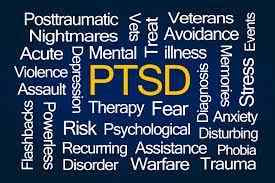
Post Traumatic Stress Disorder Treatment – How does it work?

 First of all, what is Post Traumatic Stress Disorder?

After a traumatic event, our brains sometimes change. This can cause symptoms of Post Traumatic Stress Disorder. Most people will experience symptoms of Post Traumatic Stress Disorder for up to 4 weeks after a traumatic event. However, some may experience symptoms for longer. This is when medical/psychiatric intervention is required to help relieve symptoms. 

Post Traumatic Stress Disorder Treatments


What counts as a ‘traumatic’ event?

A traumatic event could be anything – the most obvious being on a battlefield. However, it could also be losing a parent from a young age, caring for someone when they’re extremely ill until death, being in a car crash, losing somebody to suicide, or abuse at any age. There are many potential causes of Post Traumatic Stress Disorder. This is why Post Traumatic Stress Disorder treatment should be tailored to individuals.

What are the symptoms of PTSD?

For Post Traumatic Stress Disorder treatment to continue to improve, there has to be an understanding of the symptoms. Symptoms of PTSD include emotional dysregulation, mood swings, trembling, palpitations, nightmares, flashbacks, avoidance behaviours, dissociation and more. These symptoms can be extremely difficult to live with for the sufferer, but also for those close to the person suffering.

What is Post Traumatic Stress Disorder Treatment?

Post traumatic stress disorder treatment comes in a few forms. When diagnosed with PTSD symptoms, it is likely talking therapies may be offered. One example would be cognitive behavioural therapy (CBT). This can be helpful to those who might avoid certain situations because of the trauma that they experienced. It can help them to change their way of thinking in those situations and rationalise them more easily. For some, CBT might not be enough. EMDR (Eye-Movement Desensitisation and Reprocessing) can be another option for sufferers of PTSD. Although this is a form of Post Traumatic Stress Disorder treatment that is still being explored, it has proven to be very effective so far. It has been extensively researched, and what makes it different to other more conventional therapies is that the main focus of it is to help heal the brain. This is because trauma actually alters the brain.

How does EMDR work?

After a traumatic experience, the brain starts a recovery process. The hippocampus, which deals with memory and learning, communicates with the prefrontal cortex and the amygdala (these deal with behaviour and stress signals). Sometimes the recovery process takes longer, especially if a person is still distressed by the event that occurred. EMDR helps this recovery process to continue so that it can eventually be resolved. Although I’m referring to EMDR as a Post Traumatic Stress Disorder treatment, it can also be used for phobias, eating disorders, sleep disturbance, depression, and many other mental health problems.

How long does EMDR take?

Most people need fewer EMDR sessions for Post Traumatic Stress Disorder treatment than other forms of psychotherapy.  This means it can be quite a popular choice.

What about medication for Post Traumatic Stress Disorder Treatment?

Sometimes, medication is prescribed as a form of treatment. Usually the medicine would be a selective serotonin reuptake inhibitor – this is a modern anti-depressant, also known as an SSRI. These are known to have fewer side effects than older anti-depressants.

Monday, December 27, 2021

Obsessive Compulsive Disorder – You Can’t Always See It


What is OCD?

Obsessive compulsive disorder is an anxiety disorder that’s characterised by rituals and compulsions used to rid the sufferer of distressing intrusive thoughts. There is a common perception of OCD (not helped by TV shows like, ‘Obsessive Compulsive Cleaners’ and others similar), that it’s just an enjoyment or obsession with cleaning. Cleaning can become an obsession or a compulsion for a sufferer of OCD, but many people diagnosed with OCD find it affects them in different ways to that. As it can be complex, it can be hard to imagine obsessive compulsive disorder treatment is possible.


Examples of OCD

For example, recently I spoke to somebody who had experienced harm OCD. Harm OCD is when you experience intrusive thoughts about harm you might cause to yourself or other people. It can lead to avoidance behaviour. In a mother or a father, this might mean they avoid holding or being near their child because they worry they might harm them. It can also mean things like driving down a road several times to check that you didn’t run somebody over without realising. Another person I have spoken to that struggles with OCD has spent up to 6 hours performing compulsions (checking every single thing in his house), and during this time everybody in the house has to remain completely silent – if they make a sound, things don’t feel ‘right’, so he has to start all over again, or face a panic attack. The severity of these cases makes you wonder if obsessive compulsive disorder treatment could help.


What are intrusive thoughts?

Everybody has intrusive thoughts. It’s completely normal to have thoughts ‘appear’ that could be something you don’t agree with. However, people with OCD become very anxious or distressed about these thoughts. They doubt themselves and ruminate over them, and in a lot of cases they convince themselves that they are terrible people because of their intrusive thoughts. If everybody has intrusive thoughts, how does obsessive compulsive disorder treatment help?


What’s different about intrusive thoughts when it comes to OCD?

With OCD, intrusive thoughts lead to compulsions or rituals that may help the person relieve their anxiety for a short time. These rituals and compulsions can be obvious, like the ones mentioned above, or other things like compulsive hand-washing. However some compulsions are a lot less noticeable. A common compulsion would be reassurance seeking – somebody with OCD might steer the conversation in a direction that will end up reassuring them about their intrusive thoughts. Counting and checking can also be done mentally – checking thoughts, checking memories etc. The worst part is that all of these things only lead to further self-doubt and anxiety in the long run.


Treatments

Obsessive compulsive disorder treatment is available. Most people with OCD have obsessive tendencies, meaning that even when the condition is manageable or nearly ‘cured’, it is possible to become worse again. This is why treatment for obsessive compulsive disorder includes coping mechanisms that can be used in every day life, whether it be through exposure response prevention therapy or cognitive behavioural therapy. Some patients require antidepressants (usually SSRIs) alongside their treatment, as treatment can be quite intense and raise anxiety levels for a while. However, antidepressants alone are not usually the answer to obsessive compulsive disorder, so it’s important when visiting a GP to request to be referred to specialist services.

Tuesday, December 21, 2021

Psychological Defence Mechanisms


What are Psychological Defence Mechanisms?

Everybody has psychological defence mechanisms. They're the body's way of protecting itself from psychological pain. There are a few different kinds of psychological defence mechanisms. The easiest one to explain would be denial. This is something that most people experience when they're going through a bereavement. We show examples of this in our programme about psychological defence mechanisms. A widow has just attended her husband's funeral, but she feels like he is still around and could walk through the door any minute. She doesn't want to believe he is gone because it's too painful for her. Another example of denial would be a smoker not being able to accept that they're addicted to nicotine - 'I'm not addicted, I could quit any time, I just choose not to.' Another well known defence mechanism is regression. In our programme on the subject, we introduce a young boy who, at the age of 5, has started to wet the bed at night. It is found that this is due to home stresses caused by his parents' divorce.

Can psychological defence mechanisms cause harm?

The strange thing about psychological defence mechanisms, is that although they're the unconscious mind's method of defence, they can still end up causing harm. Psychosis can alter a person's perspective on reality, causing delusions and sometimes hallucinations. An example I can think of more recently would be somebody I came across on youtube. She told the story of how the death of her dog during a very stressful point in her life triggered psychosis - her voice changed (she was speaking like a child), and she spoke about trying to go into the forest at night to be with her dog. After a few weeks, she started to come out of her psychosis. It was a very scary ordeal for her and her family, as she couldn't remember much of what had gone on.


Other Psychological Defence Mechanisms

 The mechanisms mentioned are only a few of the defence mechanisms that we know of. There are others, such as dissociation, repression, displacement, and sublimation. Dissociation can be anything from a mild detachment from everything around you, to not being able to engage in any experience. It occurs as a result of stress, conflict or in some cases even boredom. Most victims of abuse have issues with dissociating, and develop dissociative disorders as a result of their trauma. Displacement is a very common defence mechanism. An example would be if somebody felt a lot of anger towards a person, and expressed their anger by breaking something (rather than hitting or yelling at that person). Sublimation is similar to this, but instead of doing something unacceptable to satisfy the anger, the person puts their negative feelings/energy into something more constructive and socially acceptable.

Our Programme on Psychological Defence Mechanisms

A few of these mechanisms are explored in our own programme, called, 'Psychological Defence Mechanisms', which is currently available to watch on our website. There are also many other programmes on various mental health problems, including depression and anxiety, schizophrenia, OCD and eating disorders.

Wednesday, December 1, 2021

Eating Disorder Treatment In The UK – How Does It Work And What Needs To Change?

What Is An Eating Disorder?

An eating disorder is a mental health condition that revolves around food, and using food to cope with uncomfortable feelings and sometimes other situations, such as trauma. This can mean eating too little or eating too much, worrying about weight or specific parts of the body and what they look like, and compensatory behaviour e.g. using laxatives to ‘get rid of’ food that has been consumed, or over-exercising.

Types Of Eating Disorder

- Anorexia Nervosa – Controlling weight by restricting food intake, over-exercising or a combination of the two.

- Bulimia Nervosa – Struggling to control the amount of food eaten and then taking unhealthy drastic action to ‘reverse’ this.

- Binge Eating Disorder – Regularly eating large amounts of food until past full, and struggling to control this behaviour.

Who Is Most Likely To Develop An Eating Disorder?

Eating disorder treatment in the UK isn’t as accessible as it should be. An eating disorder can affect anybody, but are most likely to develop in the teenage years. They can continue into adulthood if left untreated, and can put the sufferer at risk of many complications, such as diabetes, liver problems, heart problems, osteoporosis, and death. Eating disorders are often thought of as a teenage girl problem, however, many boys and men are also affected by eating disorders. Stigmatising the issue often leads boys and men to feel more shame about their behaviours and so they are less likely to seek help.

Eating Disorder Treatment In The UK

If you think you may be suffering with an eating disorder, you should visit your GP to address your concerns. Your GP should take you seriously and refer you to specialists who will be able to help with a diagnosis and treatment for your eating disorder. Eating disorder treatment in the UK varies depending on the disorder, and the severity of it. For example, someone with Bulimia Nervosa may require regular meetings with a therapist and see a lot of progress using a self-help book and eating plan which helps them repair their relationship with food and increase their self-esteem. Alongside this, blood tests should also be taken to ensure that there are no health problems as a result of the eating disorder behaviours. Somebody with a very severe case of Bulimia Nervosa may need constant supervision and therefore it would be better for them to be admitted as an in-patient so that they can be supervised through recovery.

Therapies

Therapy is a big part of eating disorder treatment in the UK, and elsewhere in the world. Depending on the eating disorder, the therapies that may be used are cognitive behavioural therapy, cognitive analytic therapy, interpersonal psychotherapy, and family interventions. Someone struggling with an eating disorder may also be referred to a self-help support group. 

Barriers To Treatment

Unfortunately, with mental health services being stretched and eating disorders being highly misunderstood by many, there can be barriers to treatment for those with eating disorders. One barrier is weight. For some eating disorders, like Anorexia Nervosa, being underweight is often a symptom. Depending on whereabouts in the United Kingdom you are, BMI may be taken into account when admitting somebody with an eating disorder. Sadly, this means a lot of people who are overweight but suffering with an eating disorder struggle to get treatment for it and aren’t taken seriously. It reinforces the idea that somebody can’t have an eating disorder unless they are underweight, which is not true at all. As well as this, sufferers may feel that they are not ‘sick enough’ to seek treatment, which may worsen disordered eating behaviours and put them at more risk.

Tuesday, November 30, 2021

Obsessive Compulsive Disorder – OCD Myths

What Do You Think OCD Is?

Most people have heard the term ‘OCD’, but the real question is, has it been used in the right context? Many associates ‘OCD’ with traits like being neat, clean and tidy. While these can come as a part of OCD, they’re not what defines it. OCD stands for obsessive compulsive disorder – this is shocking for some who use the term on a regular basis, as they might not realise it is an actual anxiety disorder.


What Is Obsessive Compulsive Disorder Really?

Obsessive compulsive disorder is an anxiety disorder characterised by distressing intrusive thoughts and the compulsions or rituals that someone may perform to reduce their anxiety around these thoughts. Intrusive thoughts can be relating to the cleanliness or tidiness of a room, but there are many kinds of intrusive thoughts that can come with obsessive compulsive disorder, not just these. Sometimes obsessive compulsive disorder Treatments affects people in a way that has nothing to do with this. For example, intrusive thoughts can be worrying you might accidentally harm or kill somebody, unpleasant sexual thoughts, anything that you might not necessarily WANT to think, but that just comes into your head. Intrusive thoughts are something that everyone experiences, but not everyone can just dismiss them. To some, they feel extreme guilt or worry around the intrusive thought and they have to check things, count to a certain number, wash their hands a certain number of times in order to rid themselves of the thought. This is only temporary and often the dependence on the compulsions becomes more severe over time.

What Are Compulsions?

Compulsions can be all sorts of things. One that we would be familiar with from TV shows and films would be obsessive cleaning, and checking things are in place. Other compulsions include ‘neutralising bad thoughts’ by thinking good things to counteract the bad thought, ruminating, hand-washing and many more. One that a lot of people wouldn’t realise is a compulsion is reassurance seeking. This can come through in different ways – checking what people think of something you have said or done, or disguised in a normal conversation which is often guided by the person who needs the reassurance, until they find the reassurance they need. Some may say the same things to lots of different people in the form of ‘oversharing’ to get the reassurance they need over and over again. So obsessive compulsive disorder is not necessarily what the media portrays it as.

OCD Can Be Treated

Obsessive compulsive disorder affects each person differently. How severe it is can also vary, but there is treatment for OCD, usually in the form of talking therapies and exposure response prevention therapy. Exposure response prevention therapy challenges the patient to withstand their anxiety around not performing a compulsion until the anxiety starts to dip. Some may be able to do small exercises at their own home, while others might have OCD so severe that they need supervision and guidance by a professional.

Thursday, September 30, 2021

Mental Health Education – What Do We Need?


Mental Health What Is It?

Mental health is something that everybody has. Some people may have good mental health, others may have bad or ill mental health. Either way, it’s extremely important to take care of your mental health. Mental health education is an important part of learning how to take care of it.


Why Is Mental Health Education Important?

Mental health is an important part of life. The state of your mental health can be the difference between you struggling or performing well at work, maintaining relationships or struggling to keep them, and more. Mental health education may help people who are struggling to realise the cause, and what they can do to help. For example, somebody who struggles to concentrate at work may not realise that this is due to anxiety or low mood caused by underlying low self-esteem. Self-esteem can be a huge help in navigating life.


How Do We Know When Somebody Needs Help?

Signs of ill mental health vary from person to person. Somebody could withdraw from their usual activities and social life, their outlook on life could change to become quite bleak, and they may talk about death. These are quite obvious signs of a negative change in mental health. However, some people mask their emotions and continue as if nothing is wrong. This makes it harder to tell if there is a problem. Their symptoms may be things like lack of concentration and difficulty sleeping – these are things that others may not notice straight away.


How Can We Educate Further?

Communication is key when it comes to mental health education. Our workplaces need to have a certain amount of time allocated to education on mental health, in order to ensure employees have somewhere to go when they are struggling, or to help them recognise if they are struggling. Our schools need to also have these resources, so that children can grow up equipped with resilience and coping skills for difficult times. Some may argue that this is too much for a child, but it can help to develop an understanding of mental health problems that I argue would be very beneficial to them.


What Mental Health Problems Need To Be Spoken About?

Currently, there is a very generalised approach to mental health education for the general public, with a big focus on depression and anxiety. This is because the symptoms of depression and anxiety are much easier to relate to than symptoms that may come with other mental health problems. Most people can understand low mood and feeling anxious, because both of those things are things that everybody experiences to varying degrees.  Although knowing the signs and symptoms of depression and anxiety and knowing what you can do about those things is important, it’s also vital that we speak about other mental health problems that have more stigma and less understanding attached to them. Examples of these mental health problems would be eating disorders, obsessive compulsive disorder, schizophrenia, bipolar disorder, borderline personality disorder (now more often known as emotionally unstable personality disorder), post-natal depression, post-partum psychosis, and dissociative identity disorder. Here at Mental Health TV, we create content on not just depression and anxiety, but other more stigmatised mental health problems like the ones listed above.

Unveiling The Impact Of Tragedy In Psychiatry: A Critical Exploration

  In the world of mental health, understanding the intricacies and challenges is paramount. Today, we delve into a nuanced discussion surrou...